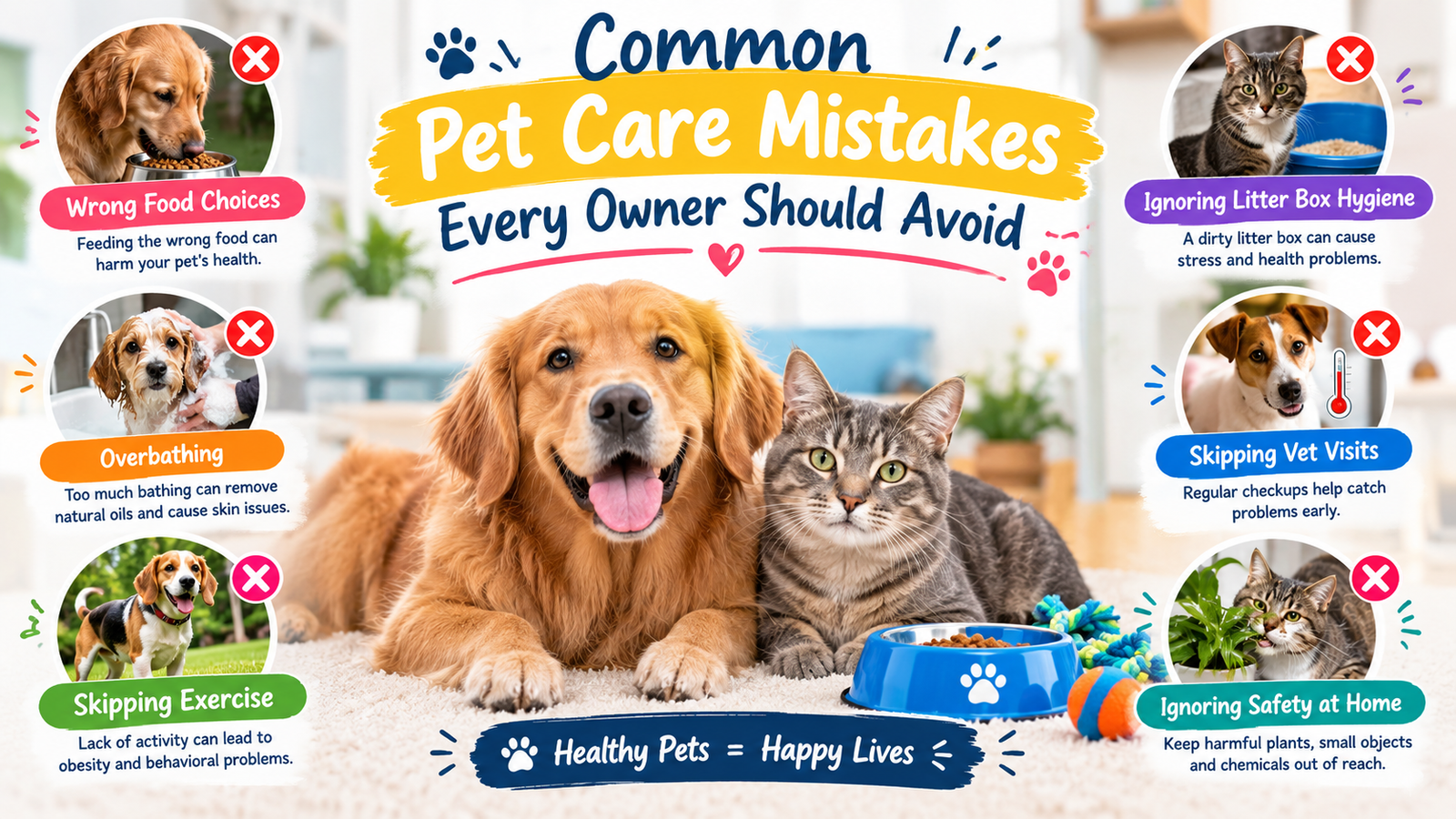
Having a pet is one of life’s sweetest experiences. Whether you share your home with a playful puppy, an independent cat, or another beloved companion, your pet relies on you for almost everything.
However, even caring owners can make mistakes. Some are small habits that become problematic over time, while others can have a direct effect on a pet’s health and safety.
The good news is that many common pet care mistakes are preventable. By understanding what your pet needs and paying attention to small changes, you can create a healthier, safer, and happier life for your companion.
1. Skipping Routine Veterinary Checkups
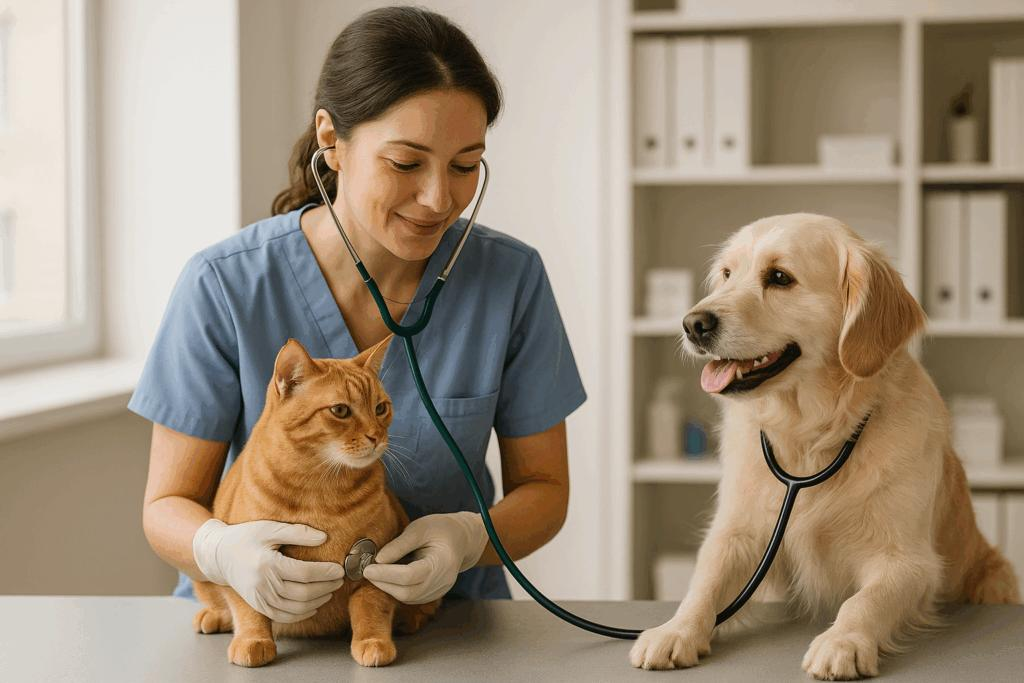
One of the biggest mistakes pet owners make is waiting until their pet becomes visibly sick before contacting a veterinarian.
Pets can sometimes hide signs of illness, and routine wellness visits give veterinarians an opportunity to identify potential problems early. Preventive care may include health examinations, vaccinations, parasite prevention, dental assessments, and other care appropriate for the individual animal.
How to Avoid It
Keep a record of your pet’s veterinary appointments, vaccinations, medications, and preventive treatments. Ask your veterinarian how often your pet should receive wellness examinations based on its age, species, lifestyle, and health history.
2. Overfeeding or Giving Too Many Treats
Giving your pet an extra treat may seem like a simple way to show affection, but too many calories can contribute to unhealthy weight gain.
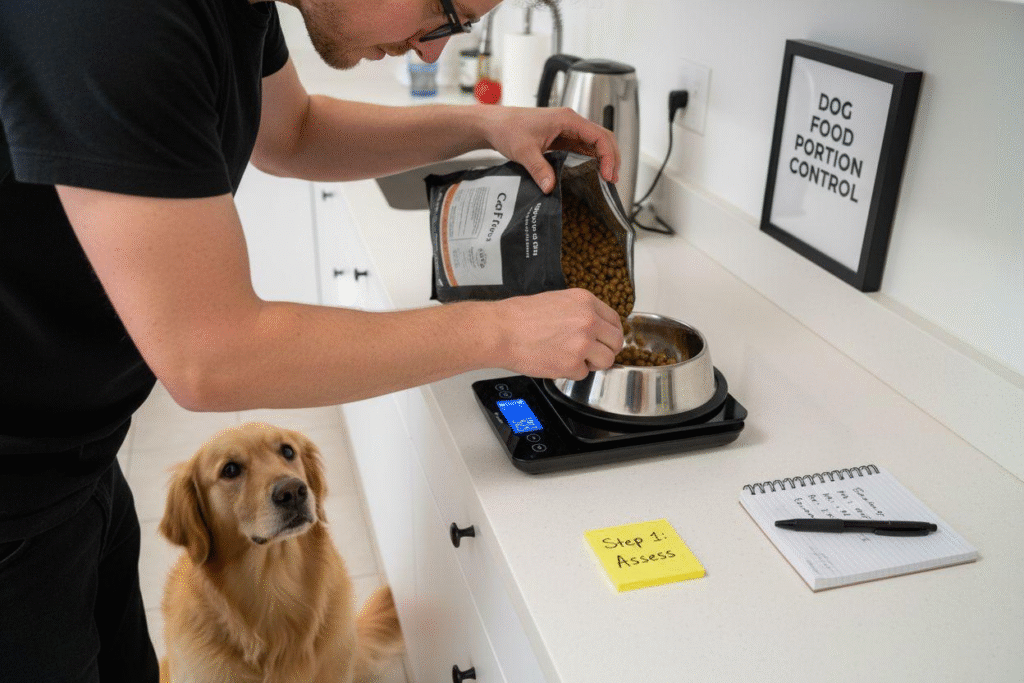
Portion sizes should be based on your pet’s individual needs rather than guesswork. Treats should also be considered part of the overall daily food intake. Veterinary sources specifically identify overfeeding and excessive treats as common contributors to pet weight problems.
How to Avoid It
Measure meals instead of estimating portions. Keep treats moderate, and speak with your veterinarian if you are unsure about your pet’s ideal weight or daily calorie needs.
3. Feeding the Wrong Foods
Not everything that is safe for people is appropriate for pets. Human leftovers can contain ingredients that are unsuitable or dangerous for animals.
Dogs and cats also have different nutritional requirements, so a diet that works for one animal may not be appropriate for another.
How to Avoid It
Choose a nutritionally appropriate diet for your pet’s species, age, size, and health needs. Before introducing human food, new treats, or supplements, check with your veterinarian.
Never assume that a food is safe simply because your pet enjoys eating it.
4. Ignoring Dental Care
Dental health is often overlooked because owners may not notice a problem until it becomes significant. Bad breath, changes in eating habits, excessive drooling, or discomfort while chewing can sometimes indicate an oral health problem.
Regular dental care can help keep your pet’s mouth healthier and may allow problems to be identified earlier.
How to Avoid It
Ask your veterinarian about an appropriate dental-care routine. Depending on the pet, this may include tooth brushing, suitable dental products, professional dental cleaning, or other preventive measures.
5. Not Providing Enough Exercise
Pets need appropriate physical activity, but the amount varies considerably between animals.
A young, energetic dog may need much more activity than an older companion. Cats also benefit from opportunities to chase, climb, explore, and play.
Exercise is not only about physical fitness. It can also provide mental stimulation and help prevent boredom.
How to Avoid It
Create an activity routine that matches your pet’s age, breed, health, and personality. For dogs, walks and interactive play can be valuable. For cats, toys, climbing areas, puzzle feeders, and short play sessions can provide enrichment.
6. Forgetting Mental Stimulation
A pet can receive plenty of food and still become bored.
Mental enrichment gives animals opportunities to investigate, solve simple problems, explore their surroundings, and use natural behaviors.
How to Avoid It
Rotate toys instead of leaving every toy available at once. Try puzzle feeders, scent games, interactive toys, training exercises, or supervised exploration.
For cats, vertical spaces and interactive play can be particularly useful. For dogs, training sessions and sniffing activities can provide both mental and physical enrichment.
7. Ignoring Changes in Behavior
A sudden change in your pet’s behavior should not automatically be dismissed as stubbornness or bad manners.
Changes such as unusual hiding, reduced activity, aggression, changes in appetite, excessive vocalization, or unusual bathroom habits can have many possible causes, including stress or health problems.
How to Avoid It
Pay attention to your pet’s normal routine. If you notice a persistent or concerning change, contact a veterinarian rather than trying to diagnose the problem yourself.
8. Using Human Products on Pets
Another common mistake is assuming that products made for humans are automatically safe for animals.
Human shampoos, grooming products, medications, and other household products may not be appropriate for pets. Veterinary guidance also warns against casually substituting human grooming products for pet-specific products.
How to Avoid It
Use products specifically designed for your pet whenever possible. Never give human medication to a pet unless a veterinarian has specifically instructed you to do so.
9. Neglecting Grooming
Grooming is about more than making a pet look clean and attractive.
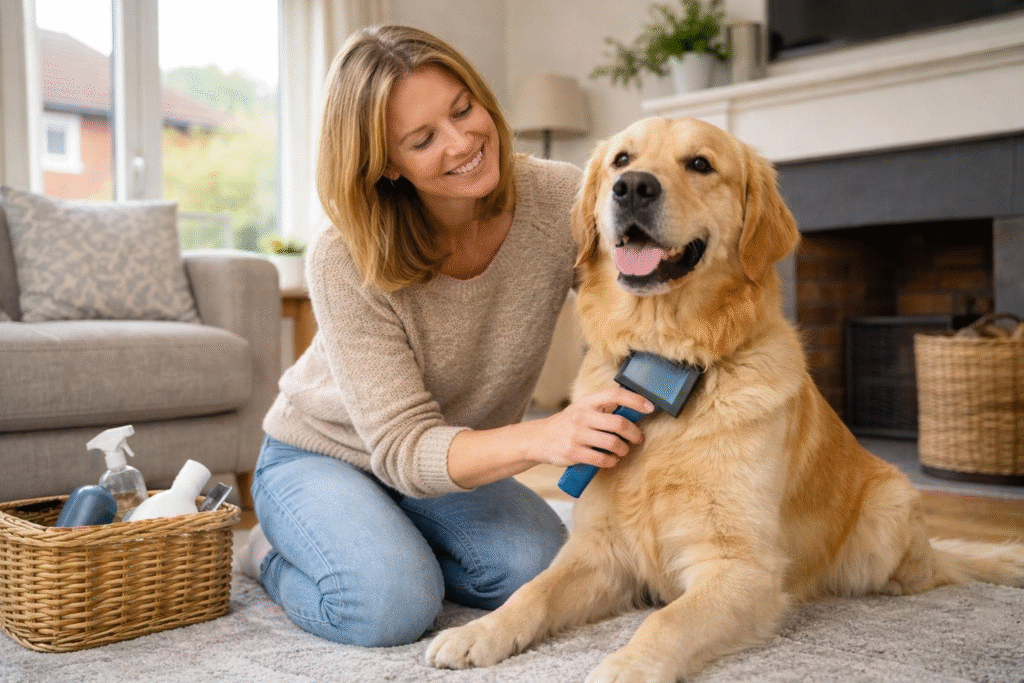
Regular brushing and grooming can help remove loose hair, prevent some coat problems, and give owners an opportunity to notice changes such as lumps, irritated skin, parasites, or unusual areas of discomfort.
How to Avoid It
Develop a grooming routine appropriate for your pet’s coat and lifestyle. Brush regularly, keep nails at an appropriate length, and check ears, paws, skin, and coat as part of normal care.
If grooming causes pain or your pet becomes extremely stressed, ask a veterinarian or qualified professional for guidance.
10. Failing to Pet-Proof the Home
Pets are naturally curious. Young animals especially may chew, climb, scratch, or investigate objects that humans consider harmless.
Household hazards can include certain foods, medications, chemicals, electrical cords, small objects, and unsafe plants.
How to Avoid It
Look around your home from your pet’s perspective. Store medications and cleaning products securely, keep potentially dangerous foods out of reach, protect electrical cords, and prevent access to unsafe areas.
Remember that a pet-proofed home may need to change as your animal grows and becomes more adventurous.
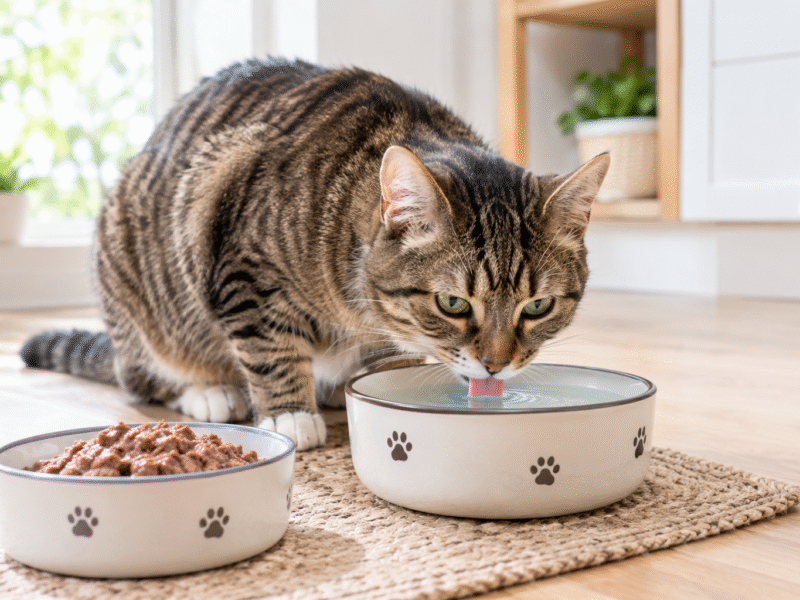
11. Not Keeping Food and Water Areas Clean
Food and water bowls are used every day, so they can quickly collect leftover food, saliva, dirt, and microorganisms.
Clean feeding areas are a simple part of maintaining a healthy home environment. Regular cleaning of bowls and other pet items is recommended as part of good household pet hygiene.
How to Avoid It
Wash food and water bowls regularly and provide fresh drinking water. Also clean feeding mats, storage containers, and other areas where food or water can accumulate.
12. Skipping Parasite Prevention
Fleas, ticks, and internal parasites can cause discomfort and health problems. Indoor pets are not necessarily protected from every parasite risk.
The appropriate preventive routine depends on the animal, location, lifestyle, and veterinary recommendations.
How to Avoid It
Talk with your veterinarian about a parasite-prevention plan suitable for your pet. Keep preventive treatments on schedule and inspect your pet regularly for unusual signs.
13. Inconsistent Training and Rules
Pets learn through repetition and consistency. If one person allows a behavior while another constantly discourages it, the animal may become confused.
Training is especially important for dogs, but many animals benefit from predictable routines and positive learning experiences.
How to Avoid It
Set simple household rules and make sure everyone follows them consistently. Reward desirable behaviors and use calm, appropriate training methods.
14. Not Giving Pets Enough Attention
Pets need more than food, water, and a comfortable place to sleep. Social interaction and companionship are important parts of their daily lives.
This does not mean constantly entertaining your pet. It means making time for interaction that fits the animal’s personality and needs.
How to Avoid It
Set aside dedicated time each day for play, training, grooming, walking, cuddling, or simply being together. Even short periods of focused attention can become meaningful parts of your pet’s routine.
15. Waiting Too Long When Something Seems Wrong
Perhaps the most important mistake is ignoring a health concern because it seems minor.
Pet owners know their animals’ normal habits better than almost anyone. A noticeable change in eating, drinking, activity, bathroom habits, breathing, movement, or behavior deserves attention—especially if it persists or appears severe.
How to Avoid It
When something seems unusual, monitor the change carefully and contact your veterinarian when appropriate. If your pet appears seriously ill or injured, seek veterinary care promptly.
How to Become a More Responsible Pet Owner
You do not have to be a perfect pet owner. Good pet care is built through consistent habits.
A simple routine can make a big difference:
- Provide appropriate food and fresh water.
- Keep meals and treats portion-controlled.
- Schedule recommended veterinary care.
- Maintain parasite prevention as advised.
- Provide regular exercise and enrichment.
- Keep your home safe and pet-friendly.
- Maintain grooming and dental care.
- Watch for changes in behavior or health.
- Spend quality time with your pet.
- Ask a qualified veterinarian when you are uncertain.
Final Thoughts
Being a responsible pet owner is about paying attention. Small daily decisions—from measuring food to cleaning bowls and providing enrichment—can contribute to your pet’s overall well-being.
Most importantly, remember that every pet is an individual. Age, species, breed, lifestyle, environment, and existing health conditions can all affect what kind of care is appropriate.
When you combine affection with responsible routines, preventive care, and professional veterinary guidance, you give your pet something truly valuable: the opportunity to live a healthier, safer, and happier life.